Pain is one of the most common reason individuals look for assistance in emergency and prehospital setups. When it is handled well, whatever else gets easier: assessment clarity improves, treatments continue without fight, and clients remember they were treated with dignity. When it is managed poorly, also simple situations can spiral right into agitation, unneeded sedation, and avoidable issues. Advanced pain monitoring programs lined up to PUAEME008 concentrate on sensible, defensible abilities that equate directly to the roadside, the resus bay, or the sporting activities area. If you need a discomfort management certificate that takes on clinical scrutiny and operational facts, placement with PUAEME008 give discomfort administration is the standard to look for.
What PUAEME008 in fact implies in practice
PUAEME008, usually created informally as puaeme008, is an unit of competency commonly adopted across emergency situation reaction and prehospital care programs in Australia. It anticipates clinicians and -responders to evaluate discomfort effectively, choose proper analgesic strategies, administer safely, screen, and paper. That checklist reads basic, but the subtlety issues. The unit thinks restrictions that healthcare facility personnel in some cases forget: minimal surveillance, dynamic scenes, variable patient background, and stress to make decisions quickly while moving.
A course aligned to PUAEME008 should not simply recite pharmacology. It ought to make you skilled to supply discomfort monitoring under real area restrictions, including inconsistent hints, sensory overload, and incomplete details. It should educate you to begin, reassess, pivot, and warrant your selections in simple language.
Who benefits from PUAEME008-aligned training
These programs are developed for initial -responders, paramedics, event medics, and clinicians that function without the pain management certification safety net of a ward team. That said, the framework carries over well to hospital-based groups that user interface with triage, transportation, and procedures. Pain management programs for registered nurses often draw on PUAEME008 principles due to the fact that the system handles quick assessment, titration, and sensible approval in a manner that fits hectic professional floorings. Discomfort administration training courses for physiotherapists benefit as well, especially when they cover severe bone and joint pain, warning testing, and risk-free rise paths.
The allure is pragmatic. Whether you desire a short course hurting management to freshen abilities prior to a period of occasions, or you are constructing towards a pain management certification course as component of a more comprehensive range, the proficiency offers you a scaffold that is identified, auditable, and transferable.
What solid courses show beyond the slides
Good pain monitoring training courses show more than the difference between paracetamol and ketamine. They construct judgment. You learn when to choose a fast beginning agent and accept a much shorter period, when to support therapy with a non-opioid base, and when to keep back because the discomfort is diagnostic. They likewise attend to the human side. People bear in mind if you thought them. They see if you described the strategy or just pressed a medication and walked away.
In practice, the far better programs highlight five domains: analysis, choice, management, monitoring, and interaction. The specifics vary, yet the backbone is consistent.
Assessment with purpose
The program need to instruct 2 patterns of assessment. Initially, a quick display that you can finish while relocating a cot, recording mechanism, location, radiation, and early warnings like transformed psychological condition, hypotension, or arm or leg anemia. Second, a structured, repeatable assessment that notifies therapy and lets you track modification. That typically means a mathematical score, a functional procedure, and a qualitative descriptor. For youngsters or cognitively impaired grownups, aesthetic or behavioral scales replace numbers.
You discover to separate pain that indicates a reversible reason from discomfort you can treat aggressively. Upper body discomfort with diaphoresis and hypotension calls for a different approach from an ankle joint sprain at a marathon. The program needs to pierce this splitting up until you can make that telephone call under noise, time pressure, and distraction.
Intelligent selection
A well created certification program suffering administration will offer anesthetics as devices, not as brand names. When I educate this material, I arrange options right into supports and accelerants. Supports are representatives that provide steady, predictable alleviation with a tolerable side effect profile, like paracetamol and NSAIDs for musculoskeletal pain, or laughing gas for brief, painful treatments. Accelerants are the rapid, titratable representatives you grab when supports will certainly not keep up with the pain trajectory, like fentanyl, morphine, ketamine, or a local block.
Courses straightened with PUAEME008 usually cover:
- Oral, IV, and intranasal choices ideal for prehospital usage, including dosage arrays, beginning, and duration. Non-pharmacologic options like splinting, chilly treatment, repositioning, and verbal coaching, which minimize dose requirements and adverse events.
The best programs describe why the path matters. As an example, intranasal fentanyl can be the appropriate choice for a fractured wrist in a youngster since it prevents IV placement, manages pain rapidly, and permits tranquil immobilization. IV morphine could suit a grown-up with renal colic, paired with antiemetics and liquids. Reduced dosage ketamine can link extreme trauma discomfort when opioids alone are poor, specifically if hypotension is a concern.
Administration that respects physiology
Speed is not the like haste. Great programs promote titration and spacing. With fentanyl, that might indicate tiny increments every couple of minutes, enjoying respiratory price and sedation instead of relying upon a solitary large dose. With ketamine in the subdissociative range, you discover to expect short-term adverse effects and exactly how to trainer people with them. If your context sustains nitrous, you practice mentoring the inhale pattern and establishing assumptions so the client stays engaged.
Routes issue. Intranasal paths aid when IV access is delayed or unnecessary. Intraosseous paths enter into play in trauma. Dental agents are taken too lightly; lots of responders skip them, after that chase discomfort with IV boluses. Programs that line up with PUAEME008 instruct integrating courses sensibly, so the oral or inhaled anchor provides a base while you titrate IV representatives to effect.
Monitoring and reassessment
Pain monitoring training for registered nurses tends to formalize reassessment periods since documentation drives health center technique. In the area, the society often minimizes it. A great puaeme008 give pain monitoring training course pressures normal checks. You measure not only the discomfort score but respiration, sedation, orthostatic resistance if pertinent, and capability. Can the person tolerate the splint now? Can you execute an additional survey without distress? Review guides taper choices, extra application, and transportation priorities.
Communication and consent
Emergency discomfort management usually requires quick authorization. You find out wording that uses plain language with sufficient information for purposeful acceptance. As an example, before low dosage ketamine: I can provide a medication that assists pain swiftly without reducing high blood pressure. Some individuals feel floaty or a little bit strange for a few minutes. You can still speak with me, and I will stick with you. After that you look for understanding and proceed.
The training course need to practice this dialogue repetitively, consisting of with interpreters, anxious moms and dads, or the drunk adult that needs clear limit setup before any opioid administration.
Scenarios that separate theory from competence
Well made discomfort management training courses lean on situation job. Three vignettes record the reality far better than any slide deck.
A road cyclist with a closed tibia crack on a wet shoulder. You have an assistant, minimal shelter, and traffic noise that makes auscultation helpless. The key risks are hypothermia, activity pain, and safe extrication onto the cot. If you educated well, you trainer breathing while setting up intranasal fentanyl, apply a vacuum splint, and add dental analgesia as soon as opted for transportation. If the discomfort remains high after five minutes, you cover up intranasal or convert to IV and titrate. Because the scene is exposed, you pack and move early, not remain to go after an ideal score.
An elderly person with rib fractures from a ground degree loss. He is tachypnoeic from splinting and currently nauseated. You start with paracetamol and a small dosage of IV fentanyl or morphine while preparing antiemetics. The focus is useful: can he take a full breath without wincing? A training course that takes PUAEME008 seriously will also cover local options like local blocks where extent permits, or at the very least recommend early escalation paths so the patient gets longer alleviation in the next treatment phase.
A youngster with a disjointed arm joint at a school sports day. Before any person tries decrease, you trainer the child and parent, apply intranasal fentanyl, and consider nitrous if offered. Decrease success prices climb up when the child trusts the process and pain is controlled. Programs for physio therapists typically integrate this scenario, since secure decrease and immobilization live at the edge of their range depending upon jurisdiction.
Documentation that safeguards you and the patient
Pain management qualification programs place hefty emphasis on paperwork forever factor. Good notes aid the next medical professional, sustain high quality improvement, and secure you in testimonials. A PUAEME008-aligned strategy records standard pain, context, chosen representatives, dose, path, time, awaited effects, and reassessment outcomes. If you withheld an agent to maintain analysis clarity, state that clearly. If a patient declined opioids since they needed to drive later on, videotape the conversation and your different strategy. Gradually, these notes end up being information for solution improvement and training updates.
Tailoring to various professions
A generic pain management program will not satisfy a blended friend. The most effective discomfort monitoring training for registered nurses focuses on device operations, sedation racking up, damaging event acknowledgment, and sychronisation with prescribers. It incorporates analgesia with procedures like catheterization, wound care, or drain elimination. It handles restraints like medication availability throughout night shifts and plans on double-signing opioids.
Pain management courses for physiotherapists stress differential diagnosis, warnings that require escalation, and techniques like hands-on unloading, taping, and directed activity that halve the requirement for medication. They also deal with individual education and learning around pacing, graded exposure, and sensible timelines, which reduce recurring presentations.
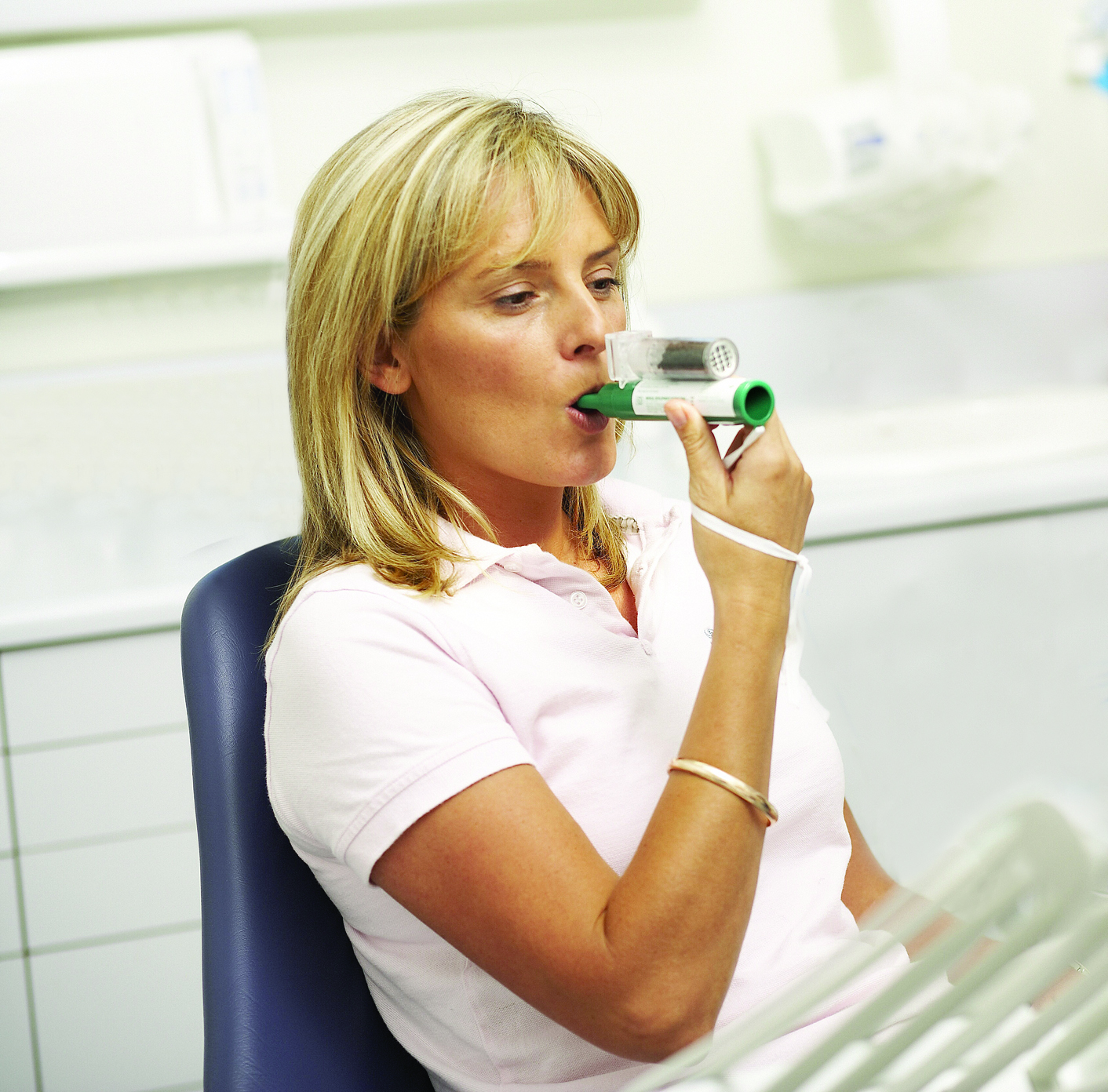
Paramedic-focused discomfort management training programs concentrate on transportation constraints, scene control, intravenous accessibility decisions, and options between intranasal, IV, and inhaled paths. They include a heavy dosage of negotiation abilities, because managing discomfort in inebriated or combative clients tests both medical and social judgment.
The composition of a trustworthy course
If you are selecting a discomfort administration certification training course, search for a number of markers. Placement with PUAEME008 need to be specific, consisting of performance requirements and evidence needs. There must be instructor-led simulations, not simply videos. Analysis should include situation screening with review, not a one-and-done dosage choice. Trainees must practice with the same distribution tools they will certainly utilize on the job, whether that is atomizers for intranasal shipment, need shutoffs for nitrous, or mixture pumps for titration.
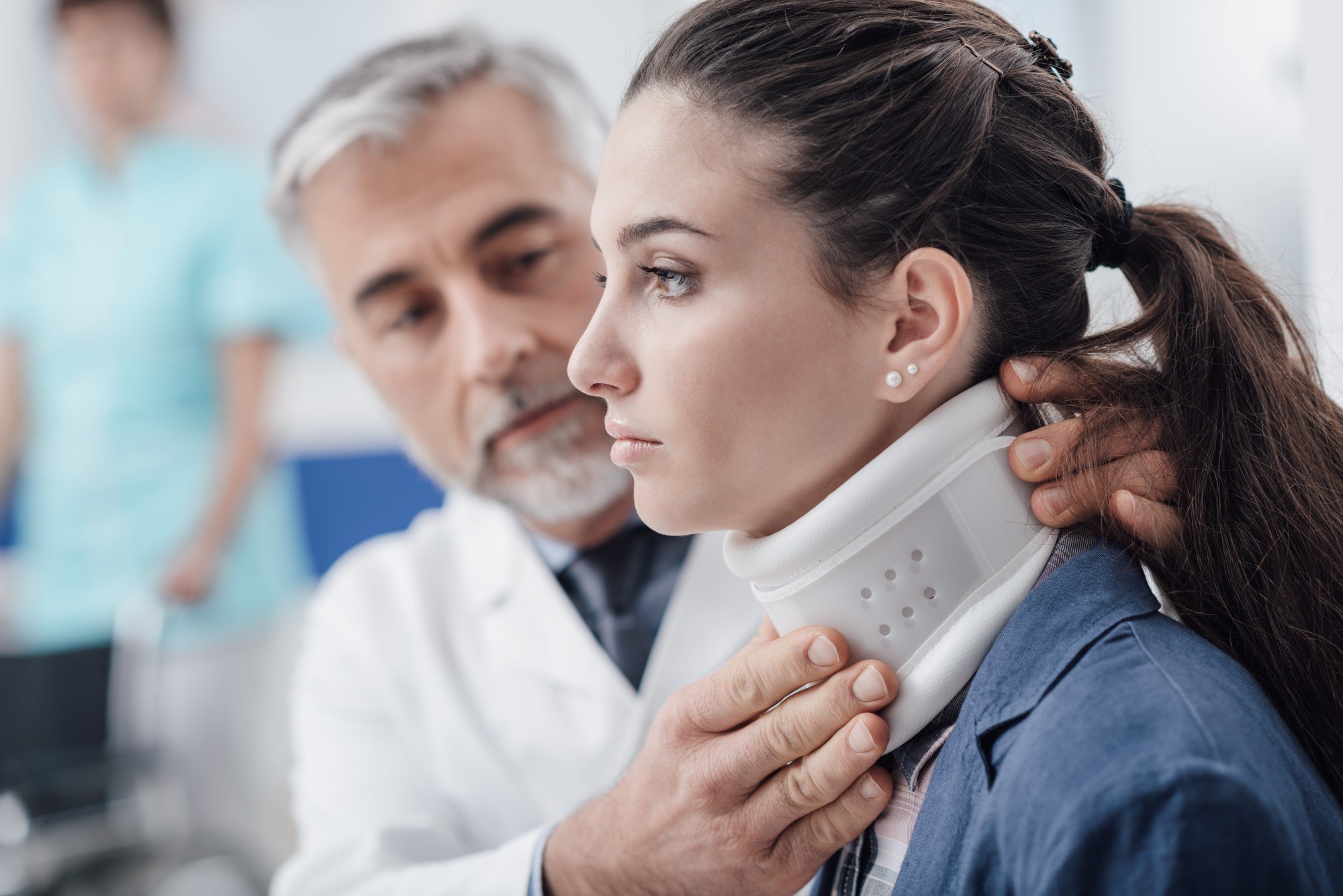

Beware programs that oversimplify opioid usage or present ketamine as a wonder drug. Genuine training addresses adverse impacts, contraindications, and alternate paths. It discusses just how to manage a desaturation episode without panic, exactly how to reverse an opioid safely, and how to de-escalate when an individual needs stronger medicine that is clinically inappropriate.
The training course should include present guidelines and sensible ranges. As an example, subdissociative ketamine in the ball park of 0.1 to 0.3 mg/kg IV with sluggish titration, or 0.5 to 1 mg/kg IM when IV access is not practical, with changes to suit local methods. It must recognize variability in medicine schedule and extent throughout regions. Numbers ought to be presented with context, not as inflexible dishes, and constantly within the bounds of your governance.
Common pitfalls and how training courses deal with them
New practitioners fall under predictable catches. They underdose dental representatives while awaiting a mythical excellent IV minute. They stack opioids also quickly, then spend the experience managing nausea or vomiting and hypoventilation. They fail to remember splinting can double the impact of any analgesic. They talk too little, rushing authorization and missing an opportunity to develop trust fund. Quality courses make pupils practice the repair for each mistake up until it comes to be habit.
Over time one more catch appears: complacency. After numerous comparable instances, it is very easy to treat every reduced back pain call the same way. Strong programs teach alertness for atypical functions like urinary system retention, fever, or abrupt neurological deficiency that transform a routine case right into an emergency. This is where PUAEME008's emphasis on reassessment gains its maintain. If the story does not fit, the strategy needs to change.
Short training courses in pain monitoring versus deeper certification
Short training courses suffering administration fill up a real requirement. They are optimal before event seasons, lineup changes, or after policy changes. In 5 to 8 hours, a well run workshop can revitalize pharmacology, sharpen assessment, and restore confidence with gadgets. For many teams, this cadence, duplicated yearly, keeps method safe.
A complete pain administration certification program or a wider pain management accreditation offers deepness. Expect instance evaluations, extended simulation blocks, and formal analysis against PUAEME008. It frequently consists of interprofessional circumstances and even more detailed web content on complex people: persistent opioid individuals, expectant patients, and those with considerable comorbidities. The trade off is time and expense, but the payback is more powerful group coherence and less damaging events.
Emergency discomfort monitoring when secs matter
Some pain is not just uneasy, it is hemodynamically consequential. Serious discomfort spikes catecholamines, drives tachycardia, and gets worse anemia or blood loss. Emergency pain administration, when done right, maintains the physiology. In injury, low dose ketamine can blunt the understanding surge without the hypotension that goes along with higher opioid dosages. In arm or leg injuries, rapid analgesia makes it possible for careful repositioning and splinting that restores perfusion. In biliary or kidney colic, early antispasmodics paired with opioids or NSAIDs convert a disorderly scene right into a regulated one so transportation proceeds smoothly.
The ability hinges on matching the treatment to the home window. A long transport with steady vitals supports split analgesia and careful titration. A brief transportation with unpredictable vitals may validate an instant, fast-onset agent with close monitoring, delaying longer acting choices to the obtaining team.
How carriers maintain skills after the certificate
Competence rots if it is not utilized. Teams that maintain solid method embrace a few straightforward routines:
- Run short, monthly refreshers making use of actual devices and 2 or three concentrated scenarios. Review one tough pain situation per change block, looking at evaluation quality, agent selection, and reassessment notes.
Those two habits, regularly used, keep skills fresh. They also emerge plan spaces prior to they create damage. Lots of services couple these practices with drug audits, tracking outliers in dosage or agent choice and feeding that back into training.
What the individual sees
People seldom keep in mind precise discomfort ratings. They keep in mind if someone described the strategy, checked on them, and treated them as partners. They see when a clinician anticipates nausea or vomiting and supplies an antiemetic instead of awaiting the most awful. They value clear limits, specifically when asking for more powerful medicine. Premium quality pain management training weaves these human touches right into the clinical regimen. When done well, it transforms an excruciating event right into a tale of treatment as opposed to a tale of fear.
Building your pathway
If your goal is a discomfort administration certification straightened to PUAEME008, map your following actions. Begin with a trustworthy company that can document alignment and provide supervised method. If you are a registered nurse or physiotherapist, choose a stream developed for your extent. If you function prehospital, select a course that covers intranasal methods, titration in transit, and documents under pressure. After qualification, routine refresher courses and integrate pain conversations into handovers, not simply important signs.
Over a fiscal year, the difference displays in metrics you pain management training for nurses appreciate: fewer hold-ups to treatments, smoother extrications, lower rates of nausea and hypoventilation, better individual comments, and cleaner graphes. On difficult changes, the distinction receives calmer teams and quieter ambulances.
Final thoughts from the field
I have actually shown and examined discomfort monitoring throughout busy urban services and tiny local groups. The ones that deliver consistently good treatment do the basics well each time. They analyze promptly and honestly, pick logically, titrate with perseverance, and circle back to the client with basic inquiries, does it feel much better, can you take a breath less complicated, can I move your leg currently. They log what they did and why. They gain from the days when the plan did not function, and they update their playbook.
PUAEME008 is not a magic number. It is a requirement that records these practices, and a pain administration training course constructed to that conventional gives you the muscle memory to do them when it matters. Whether you want a pain monitoring accreditation to progress your function, a short refresher course prior to event period, or a detailed pain administration training for registered nurses or physiotherapists to tighten team technique, the best training course makes a visible distinction. It shows in the patient's face when the pain releases, in the steadier hand during splinting, and in the peaceful that returns to a space as soon as are afraid gives way to relief.